Fortis Green Road gardeners same day pruning and visits: what to expect, how it works, and when it's the right move
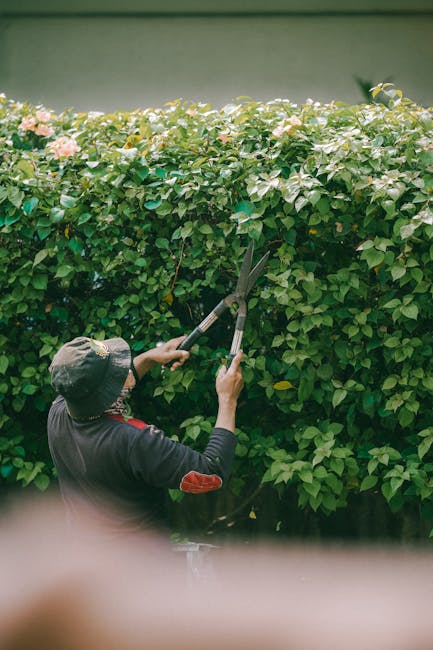
If you need urgent help with an overgrown hedge, a branch that's gone a bit wild, or a garden that suddenly looks less "tidy London plot" and more "jungle after a wet week," Fortis Green Road gardeners same day pruning and visits can be exactly what you need. The appeal is simple: a quick site visit, sensible advice, and pruning carried out before the issue gets worse. No faff. No long wait. Just practical help when the garden is asking for attention now.
In this guide, we'll look at what same day pruning and visits usually involve, why they matter, who benefits most, and how to prepare so the appointment goes smoothly. We'll also cover common mistakes, basic best practice, and the kind of decisions that save time and money. If you're comparing options, a good starting point is the broader services overview, which shows how pruning fits alongside maintenance, hedge trimming, and other garden work.
Quick expert summary: same day pruning is best used for time-sensitive jobs, not every garden task. It works well when growth is blocking light, creating risk, affecting neighbours, or making the space difficult to use. A prompt visit usually helps a gardener assess what can be done safely on the day, what needs a follow-up, and whether a bigger job should be phased.
- Useful for urgent overgrowth, storm damage, or visual tidying before an event
- Best when you want a clear assessment before committing to heavier work
- Most effective when access is easy and the brief is specific
Table of Contents
- Why Fortis Green Road gardeners same day pruning and visits Matters
- How Fortis Green Road gardeners same day pruning and visits Works
- Key Benefits and Practical Advantages
- Who This Is For and When It Makes Sense
- Step-by-Step Guidance
- Expert Tips for Better Results
- Common Mistakes to Avoid
- Tools, Resources and Recommendations
- Law, Compliance, Standards, or Best Practice
- Options, Methods, or Comparison Table
- Case Study or Real-World Example
- Practical Checklist
- Conclusion
- Frequently Asked Questions
Why Fortis Green Road gardeners same day pruning and visits Matters
Same day pruning matters because garden problems rarely wait politely. A hedge can start shading a pathway. A shrub can lean into a drive. A broken or rubbing branch can become a nuisance after a windy night. On a street like Fortis Green Road, where front gardens, boundary planting, and narrow access can all play a part, timing matters as much as technique.
There's also a very ordinary human side to it. Sometimes you just want the thing sorted before the weekend, before visitors arrive, or before the neighbours start doing that polite-but-obvious glance over the fence. A same day visit gives you momentum. It turns a vague "we should deal with this" into a concrete plan.
Pruning itself is more than cutting things back. Done properly, it's about shape, health, light, airflow, safety, and future growth. That's why a proper visit before the work starts is so valuable. It lets the gardener see the plant species, the size of the job, the disposal needs, and any access or safety issues. To be fair, that five-minute inspection can save a lot of awkwardness later.
If the job looks bigger than simple pruning, it may lead into other work such as ongoing garden maintenance, hedge trimming, or even a more substantial tidy-up through garden clearance. The point is not to oversell speed; it's to match the response to the actual condition of the garden.
How Fortis Green Road gardeners same day pruning and visits Works
The process is usually straightforward, though every property is a little different. First, you describe the issue: what is growing too much, what is in the way, and how soon you need help. A good gardener will ask a few practical questions about access, height, plant type, and whether the work is purely cosmetic or more about safety and control.
Then comes the visit. In most cases, same day pruning and visits mean a gardener comes to assess the garden in person rather than trying to judge everything from a photo. Photos help, sure, but they don't show everything. You can't always tell how dense a hedge is, whether a tree limb is weak, or how difficult it will be to move cuttings through a side passage until you're standing there with the door open and a wheelbarrow in mind.
At the visit, the gardener will typically decide one of three things:
- The pruning can be completed safely on the day.
- The work can start on the day, but will need a follow-up visit to finish properly.
- The issue needs a different service or a more planned approach, such as larger-scale tree lopping and removal or landscape work.
That last part is worth saying clearly. Not everything should be cut on the spot. Good gardening is also about restraint. If a branch is structurally unsound or a tree needs a more careful assessment, rushing is the wrong answer. Same day service should feel responsive, not reckless.
Most visits also include a simple explanation of what the gardener recommends, what will be removed, and what shape the plant will be left in. If the brief is clear and the site is easy to access, the actual pruning can often move quite quickly. If not, expect a sensible conversation first. Honestly, that's usually a good sign.
Key Benefits and Practical Advantages
The biggest advantage is obvious: speed. But there's more to it than that.
- Fast control of overgrowth: If branches are blocking a path, door, window, or driveway, a same day visit can restore order before the issue gets worse.
- Better timing for seasonal growth: Plants can go from "fine" to "slightly unhinged" in a short spell of mild weather. A quick response keeps the garden manageable.
- Improved safety: Loose, low, or broken growth can create trip hazards and visibility problems. Pruning helps reduce those risks.
- Useful second opinion: A visit gives you a chance to ask whether a hedge needs trimming, a shrub needs reshaping, or a tree needs more specialist work.
- Less disruption later: Acting early often avoids a larger job. Let a hedge run for too long and you've got more waste, more time, and sometimes a less tidy finish. Simple as that.
There's also an aesthetic advantage that people underestimate. A well-pruned front garden can make a home feel calmer straight away. More light. Clearer lines. A tidier entrance. You notice it when you walk past in the evening and the path finally looks open again.
For customers who want the job completed efficiently, it also helps to understand pricing expectations in advance. A transparent approach to quotes, access, and scope usually keeps things smooth, so it's worth reading the site's pricing and quotes information before booking. It won't answer every question, but it does help frame the conversation.
Who This Is For and When It Makes Sense
Same day pruning and visits suit a wide range of people, though usually there's a trigger. The garden has reached a point where waiting another week feels like one week too many.
This service often makes sense if you are:
- a homeowner preparing for guests, photos, or an estate agent visit
- a landlord trying to keep a front or back garden presentable between tenancies
- a busy household that just needs the job dealt with quickly and properly
- someone dealing with fast growth after rain, wind, or a warm spell
- a property owner who wants an expert to confirm whether pruning is enough or whether a larger maintenance plan is smarter
It is also useful if you're not totally sure what the problem is. That happens more than people admit. Maybe it looks like a hedge issue, but it turns out the shrubs underneath need selective cutting. Maybe it seems like a tree problem, but the real issue is light starvation from nearby planting. A same day visit can sort out that confusion fast.
If the garden is part of a wider refresh, it may be better to discuss pruning alongside landscape gardening or landscaping. That's especially relevant where the garden layout itself is causing the maintenance problem. A bad planting position can make repeat pruning feel like you're fighting the same battle every month. And who wants that?
Step-by-Step Guidance
If you want the visit to be useful, a little preparation goes a long way. Here's the process that tends to work best.
- Describe the issue clearly. Say what is overgrown, what needs to be reachable, and whether you want light pruning or a stronger cut back.
- Share any access details. Mention side gates, narrow paths, locked entrances, dogs, parked cars, or anything else that affects the visit.
- Explain the time pressure. If you need the garden ready by a specific time, say so early. Same day help works best when expectations are honest.
- Let the gardener inspect properly. Photos are useful, but the site visit tells the real story. The thickness of growth, the condition of stems, and the space for waste all matter.
- Agree the scope before cutting starts. Be sure you know what will be pruned, what will be left alone, and whether the visit is for assessment only or assessment plus work.
- Check the finish. Once the work is done, take a slow look from the front, from the path, and from inside the house if relevant. Small details do matter.
A quick practical note: if your request is urgent but unclear, say that too. "I need the garden tidied today, but I'm not sure what level of pruning is sensible" is a perfectly reasonable thing to say. It's better than pretending you know exactly what's needed and then changing direction halfway through. Nobody enjoys that. Not you, not the gardener.
Expert Tips for Better Results
Good pruning is partly skill and partly judgement. The best results usually come from a mix of timing, plant knowledge, and not being overenthusiastic with the shears. That last bit sounds obvious, but a lot of poor pruning comes from a well-meaning urge to "just tidy it all at once."
- Know what you want the plant to do next. A light trim, a shape correction, and a hard reduction are all different jobs. Say which outcome matters most.
- Keep an eye on nesting and wildlife. If a shrub or hedge looks active with birds, pause and get proper advice before cutting. Best practice in the UK is to avoid disturbing active nests.
- Leave enough plant mass for recovery. Over-pruning can stress plants and leave them looking thin, brown, or lopsided.
- Plan for disposal. Green waste can build up quickly, especially with hedges. Ask how it will be removed or recycled. The site's recycling and sustainability page is useful if you want to understand how garden waste is handled more responsibly.
- Use the visit to ask questions. For example: "Will this grow back evenly?" or "Should this wait until a different season?" Those are good questions. Proper gardeners expect them.
Another tip: look at the garden from inside the house before and after. Light entering a room can change a space more than you expect. A trimmed hedge on a dull Tuesday morning can make the whole front room feel more open. Bit of a small thing, maybe. But it adds up.
If the same issue keeps returning, a maintenance plan may be smarter than repeated emergency visits. That can involve more regular mowing, border work, and hedge management through lawn mowing and ongoing care rather than one-off rescue jobs.
Common Mistakes to Avoid
Let's face it, a rushed garden decision can become an expensive one. A few mistakes crop up again and again.
- Choosing speed over fit. Same day help is useful, but the job still needs to suit the plant and the season.
- Not being clear about priorities. If you want safety first and appearance second, say that. If you want the front garden neat for an event, say that instead.
- Assuming all pruning is the same. Hedges, shrubs, climbers, and trees each need different handling.
- Ignoring access and waste removal. A brilliant pruning job can feel messy if the cuttings block the path or sit in bags too long.
- Skipping follow-up care. Watering, mulching, or simple observation may be needed afterwards, especially in dry spells.
One very common mistake is expecting a dramatic reduction on the day when the plant really needs a phased approach. That's not a failure of service. It's good gardening. A measured answer is often the safest one. Slightly less exciting, perhaps. Much better in the long run.
Another one? Hiring help without checking whether the gardener understands more structural jobs. If the work could involve high branches, hazardous limbs, or awkward access, you want someone who is comfortable with safety and sensible limits. The site's insurance and safety information is worth reading for peace of mind.
Tools, Resources and Recommendations
You don't need specialist equipment yourself to benefit from a same day visit, but it helps to know what a professional gardener may bring and why it matters.
| Tool or resource | What it helps with | Why it matters |
|---|---|---|
| Secateurs and hand loppers | Fine pruning, small stems, detailed shaping | Gives a cleaner finish and reduces damage to soft growth |
| Hedge trimmers | Fast trimming of dense hedge faces and tops | Useful for neat lines and efficient same day work |
| Pruning saws | Thicker woody stems and awkward branches | Safer and cleaner than forcing the wrong tool |
| Waste sacks, tarps, or a barrow | Collecting and moving cuttings | Keeps the site tidy and reduces disruption |
| Site notes or photos from you | Explaining the issue before arrival | Helps the gardener understand the brief quickly |
From a customer point of view, the most useful resource is actually a clear brief. Tell the gardener what you care about: light, privacy, access, appearance, safety, or simply getting things back under control. That helps them choose the right approach faster than any fancy gadget ever could.
If you're unsure whether the job is a quick prune or part of a bigger clean-up, the service pages for garden maintenance and hedge trimming are sensible places to compare the kind of work involved. For more substantial overgrowth, garden clearance may be the better fit. Sometimes the honest answer is: "It's a bit of both."
Law, Compliance, Standards, or Best Practice
Garden pruning in the UK is usually guided more by best practice than by one single rulebook, but there are still important standards of care. Responsible gardeners avoid unnecessary damage to plants, work safely, and consider neighbours, access, and wildlife. That sounds simple, yet it covers a lot of ground.
For example, if pruning involves trees, higher branches, or awkward removals, the work should be approached cautiously and only at a suitable level of competence. In practical terms, that means understanding when a task is routine hedge work and when it becomes specialist tree work. A professional should be able to say, politely and without drama, "this is beyond a basic trim."
Noise, waste, and site tidiness are also part of good practice. In a residential area, a tidy working method matters. Neighbours notice whether waste is left strewn around, whether paths are kept clear, and whether the garden is left better than it was found. Honestly, people remember that sort of thing.
It is also good practice to be careful around nesting birds and active wildlife habitats. If a plant clearly has activity, the safer choice is usually to pause and reassess rather than rush the cut. The same goes for hidden hazards such as unstable branches, broken fences, or slippery surfaces after rain. A calm, cautious visit beats a hurried one every time.
If you want to understand the company's operating standards more broadly, it can help to review the health and safety policy and the information in about us. Those pages won't prune a hedge for you, obviously, but they do help set expectations around professionalism and care.
Options, Methods, or Comparison Table
Not every urgent garden issue calls for the same response. Here's a simple comparison that may help you decide what kind of visit you actually need.
| Option | Best for | Pros | Limitations |
|---|---|---|---|
| Same day pruning visit | Urgent overgrowth, access problems, quick tidy-ups | Fast response, useful assessment, immediate progress | May need follow-up if the job is complex |
| Routine maintenance visit | Ongoing garden care and light regular pruning | Prevents problems building up, predictable upkeep | Not ideal if you need urgent action today |
| Hedge-focused service | Boundary hedges, screening, repeated shaping | Good for neat lines and privacy management | May not solve broader garden issues |
| Tree-focused work | Large limbs, height, or safety concerns | More appropriate for structural or elevated risks | Not a quick cosmetic fix |
The table is useful because it stops people from under-buying the wrong service. A small hedge tidy is not the same thing as structural branch work. And a "quick look" at a tree can turn into a much more careful job once you're on site. That's not awkward. That's reality.
Case Study or Real-World Example
Here's a realistic example. A homeowner on Fortis Green Road notices that a front hedge has spread over the path after a damp, fast-growing spell. The branches are brushing past pedestrians, one side of the garden is looking unkempt, and a delivery driver has to shuffle sideways to get through. Nothing dramatic. Just enough to be annoying every single day.
They request a same day visit. The gardener arrives, checks the hedge line, confirms what can be cut safely, and points out that the plant would benefit from a clean trim rather than a heavy reduction. The work is completed, the access path is cleared, and the front of the house suddenly looks open again. A small change, but a very noticeable one.
What made the difference was not just the pruning. It was the visit first. The person doing the work could see the whole setting: the pavement flow, the path width, the hedge density, the amount of waste, and the shape needed for the next few weeks. That's the sort of detail you don't get from guesswork.
If the same garden had several issues at once, the conversation might have shifted into broader upkeep. In that case, a combined approach using lawn mowing, maintenance, and targeted pruning would make more sense. Real gardens are rarely single-issue spaces. Bit messy, bit alive. That's the charm of them, really.
Practical Checklist
Use this checklist before your same day visit. It keeps the appointment focused and saves time on the day.
- Identify the exact plants or areas that need pruning
- Take a few clear photos if helpful, but don't rely on them alone
- Confirm access through gates, side passages, or shared areas
- Move vehicles, bins, toys, or furniture if they block the route
- Decide whether your priority is safety, appearance, privacy, or light
- Ask whether the work is likely to be completed on the same day
- Check whether waste removal is included or arranged separately
- Ask if any follow-up maintenance is advisable
- Make sure you understand what will not be cut
- Review the finish from both outside and inside, if relevant
Useful reminder: if a visit ends with a recommendation to wait, trim differently, or spread the work across more than one appointment, that is not a bad sign. It usually means the gardener is trying to protect the plant and give you a better result. Which, frankly, is what you want.
Get a free quote today and see how much you can save.
Conclusion
Fortis Green Road gardeners same day pruning and visits are about more than convenience. They give you a quick, grounded answer to a garden problem that needs attention now. Whether the issue is a hedge that has crept too far, a branch that needs checking, or a front garden that simply needs restoring to order, a same day visit helps you move from uncertainty to action.
The best outcomes come from clear communication, realistic expectations, and a gardener who knows when to prune, when to pause, and when to suggest a broader solution. That blend of speed and judgement is what makes the service genuinely useful, not just fast. And in a busy part of London, that matters.
If you are ready to tidy the garden, improve access, or simply stop looking at the same overgrown corner every morning, taking the next step is often easier than it feels. One good visit can make the whole space breathe a bit again. Nice, isn't it?
Frequently Asked Questions
What does same day pruning usually include?
It usually starts with a visit to assess the plants, access, and safety, followed by pruning that can be completed on the day if the job is suitable. More complex work may need a follow-up.
Is same day garden pruning available for hedges and shrubs?
Yes, hedges and shrubs are among the most common reasons people ask for urgent help. A gardener can often tell quickly whether a clean trim, a reduction, or a more gradual approach is best.
How do I know if my garden needs pruning or garden clearance?
If the garden is mostly manageable but needs shaping or cutting back, pruning is usually enough. If there is a lot of debris, bramble-like growth, or general clutter, garden clearance may be more appropriate.
Can a same day visit tell me whether a tree needs specialist work?
Yes, a visit can help identify whether the issue is routine pruning or something more suitable for specialist tree work. If branches are high, unstable, or structurally concerning, a more cautious approach is needed.
Do I need to be home for the visit?
It is usually best to be available, at least for the first part of the visit, so you can explain priorities and confirm what you want done. If access arrangements are simple and agreed in advance, that may not always be essential, but it helps.
What should I tell the gardener before they arrive?
Tell them what needs pruning, why it matters, whether you are worried about safety or appearance, and whether access is awkward. Small details like a locked gate or parked car can make a big difference.
Will pruning leave my garden looking bare?
It depends on the plant and how heavily it needs to be cut. A good gardener should explain the likely result before starting, especially if the plant has been left too long and needs a stronger reduction.
Is there a difference between pruning and hedge trimming?
Yes. Hedge trimming is usually about keeping hedge faces neat and controlled, while pruning can involve more selective cutting to improve health, shape, or structure. The right method depends on the plant and the goal.
How much notice do I need for a same day visit?
That depends on availability and the size of the job. The earlier you make contact, the better your chances of getting a visit on the same day. Simple, really.
What if the gardener says the work should be delayed?
That can happen if the plant is sensitive, wildlife is present, or the job needs a safer or more specialist plan. A delayed job is not necessarily a bad outcome; sometimes it is the right one.
Can same day pruning help before an event or open house?
Absolutely. It is often used to improve the look of the front garden, tidy entrances, and make the property feel more welcoming before a visit or occasion.
Where can I learn more about the company and its service standards?
You can read more on the about us page and review practical information such as insurance and safety, health and safety policy, and payment and security.